ECLIPSE DIGITAL contributes to the BRIDGE’s work on Common European Energy Data Space

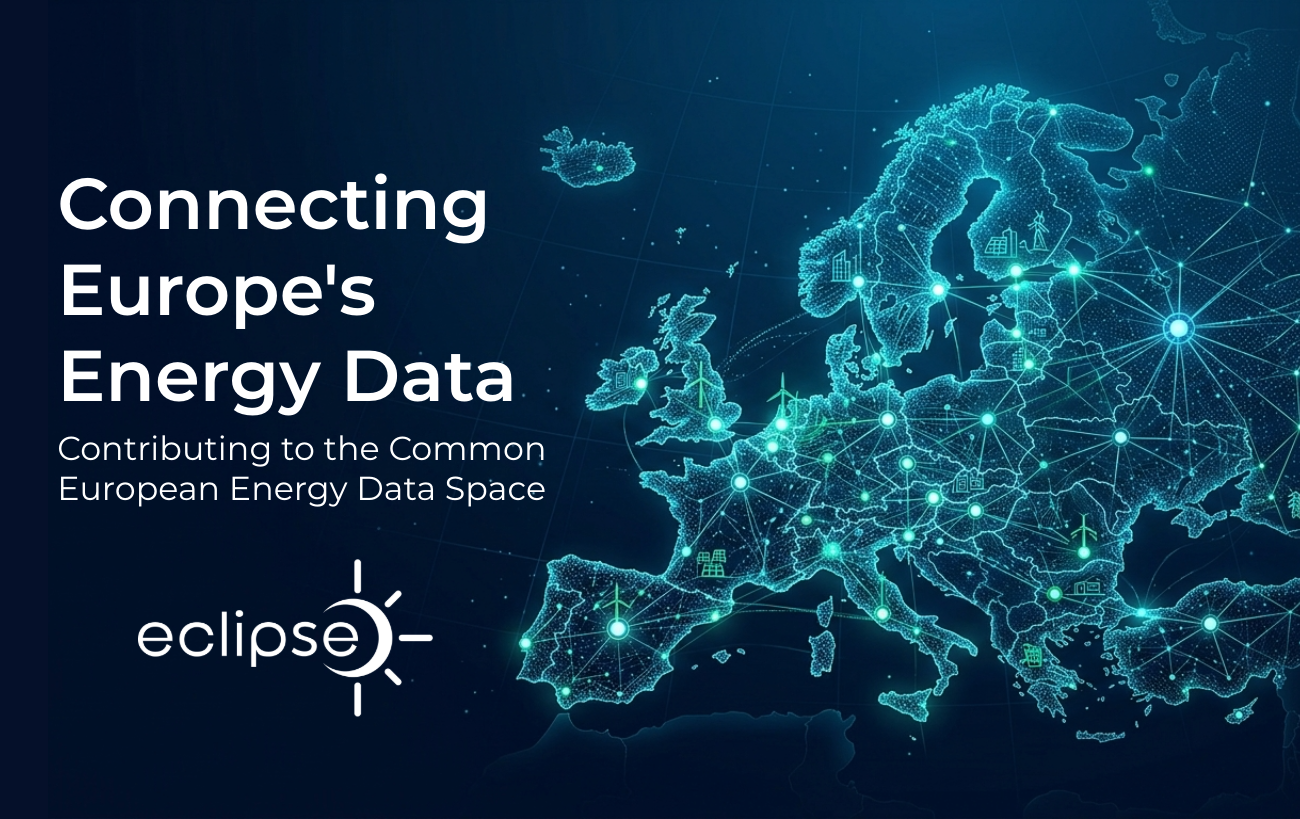
The ECLIPSE DIGITAL project has contributed to the BRIDGE community’s work on the Common European Energy Data Space (CEEDS) by sharing technical insights and recommendations on interoperability, energy data exchange and the integration of national energy data platforms.
The contribution was made through a BRIDGE survey focused on how projects are implementing local and federated data spaces, the reusable assets they are developing, and the standards and technologies needed to enable secure and interoperable data sharing across Europe.
Sharing Lessons on Energy Data Interoperability
Through the survey, ECLIPSE DIGITAL reported on its work to identify and study national energy data platforms, the data exchange protocols implemented or evaluated, and the standardisation gaps encountered throughout the project.
A key contribution is the Common European Reference Framework (CERF), developed to support interoperability between energy applications. ECLIPSE DIGITAL’s technical work addresses several essential areas, including semantic models and ontologies, data space connector protocols, API standardisation, data quality and data protection.
The project also highlighted the relevance of its technical deliverables, including the CERF architecture specification and interoperability profiles developed under WP3, as reusable assets that can inform the evolution of European energy data-sharing infrastructures.
Identifying Priorities for the European Energy Data Hub
ECLIPSE DIGITAL’s input highlighted several challenges that need to be addressed to facilitate the implementation of CEEDS and the wider European Energy Data Hub.
These include gaps in identity management, user consent, policy enforcement and semantic interoperability across domains. The project also stressed the importance of improving interoperability between original equipment manufacturers, energy management systems, electric vehicles and service providers.
Among the recommended priorities for the initial operational phase of the Energy Data Hub were connector conformance testing, the establishment of a trust framework, and participant certification. These measures could help ensure that different platforms and organisations can exchange data reliably while maintaining trust and data sovereignty.
The project also advocated for an open-source reference implementation of the Hub’s core components to reduce barriers to adoption, avoid vendor lock-in and facilitate participation by smaller distribution system operators (DSOs).
Towards a Federated and Cross-Sector Energy Data Space
Based on its analysis of national energy data platforms across Europe, ECLIPSE DIGITAL highlighted the potential of a federated approach to connecting national hubs to CEEDS through a common minimum interoperability profile.
Such an approach could facilitate the exchange of anonymised energy consumption data, flexibility information, market data and grid constraints, supporting a wider range of energy services and use cases.
The contribution also underlined the importance of connecting the energy sector with other domains, particularly mobility and transport, buildings and real estate, and industry and manufacturing. These cross-sector connections are essential to unlocking the full potential of energy data and enabling integrated digital services.
Strengthening European Collaboration on Energy Data
Through its contribution to the BRIDGE survey, ECLIPSE DIGITAL shared practical findings from its technical work and pilot activities to support the development of interoperable European energy data infrastructures.
This collaboration reinforces the project’s commitment to advancing common approaches to energy data exchange and demonstrates how the CERF can contribute to wider European efforts towards a connected, secure and interoperable energy ecosystem.
By sharing reusable technical assets, identifying standardisation gaps and proposing concrete priorities, ECLIPSE DIGITAL contributes to the ongoing dialogue on how Europe can make energy data more accessible and useful while safeguarding trust and data sovereignty.